
Surf guide
Best Tide App for Surfing
If you are trying to find the best tide app for surfing, the real test is simple. Can you open it, see whether the tide is pushing or draining, check the next change, and decide if the drive is worth it without bouncing through five screens? That is the lane Tide Buoy is built for.
Quick read
6 min read
A surf session usually starts with one simple question: is the tide doing what this spot needs right now?
- Current tide and whether it is incoming or outgoing
- Next high or low tide so you know if the spot is improving or fading
- Nearby buoy context for swell height, period, direction, and water temperature
- A saved-spot workflow that makes dawn checks quick


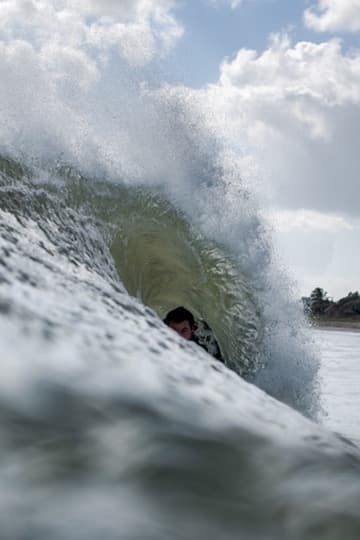

Why surfers care about tide before almost anything else
A surf forecast can look decent on paper and still miss if the tide is wrong for your break. Some spots wake up on a push. Some get fat on high water. Some need mid tide to keep the wave lined up without closing out.
That is why surfers keep coming back to tide. It is one of the fastest ways to filter whether a session has real potential or whether it is just another hopeful parking lot check.
What surfers actually need from the best tide app
Most surfers are not asking a tide app to tell them everything. They want the key pieces that shape the call: current tide level, tide direction, the next change, and enough nearby ocean context to understand the bigger picture.
Tide Buoy keeps that planning flow simple. You can see whether the water is filling in or draining out, how close you are to the next switch, and how nearby buoy conditions fit that tide window.
- Fast local tide checks for the exact beach, reef, or inlet you care about
- Clear incoming and outgoing tide direction
- The next high or low tide without extra clutter
- Nearby buoy context for a more complete surf read
Best tide for surfing depends on the break, not a universal rule
There is no one best tide for every surf spot. Beach breaks, jetties, reefs, and inlets all react differently to rising and falling water. A high tide that softens one wave can clean up another. A low tide that turns one bar on can leave a reef too shallow or too fast.
The useful move is not memorizing a generic answer. It is learning your spot, then checking the tide in a way that makes the local window obvious. That is where a simple surf tide chart helps more than a crowded dashboard.
How Tide Buoy fits a real pre-surf routine
A good dawn check should take seconds. Open the app, see what the tide is doing at your saved spot, glance at the next shift, compare that with the buoy, and decide whether to paddle out, wait an hour, or stay home.
That is the practical case for calling Tide Buoy the best tide app for surfers who want a cleaner read. It stays tide-first, but it still gives you the extra coastal context that matters when the ocean is not cooperating.
Before you go
Quick tides, exact location, less guesswork.
Tide Buoy is built to be an easy to use tide app for people who want quick tides in their exact location without digging through clutter.
Related features
Tools that support this use case
Feature
Closest Live Swell Buoy Data
See nearby buoy readings for swell height, period, direction, and water temperature.
Feature
Accurate Tides in Your Location
Check a clean tide chart for the place you actually care about right now.
Feature
Save Different Spots
Keep your favorite beaches, towns, and tide-check locations ready to revisit fast.
Coastal Journal
Related reading
Surf
Best Tide for Surfing
There is no single best tide for every surf spot, but there is a better way to think about it.
Beach Planning
Florida Beach Day Tide Checklist: What to Check Before You Go
A simple Florida beach planning guide for tide timing, beach safety, and the extra checks that matter before you leave.
More use cases
Keep planning around the water
Beach guide
Best Tide App for Beach Days
A calmer beach day usually starts before the car is packed, when you check whether the water is coming in, dropping out, or about to change the whole shoreline.
Diving guide
Best Tide App for Diving
Divers and snorkelers usually feel tide in the water, through current, visibility, access, and how comfortable an entry really is.