
Beach Planning
Florida Beach Day Tide Checklist: What to Check Before You Go
A simple Florida beach planning guide for tide timing, beach safety, and the extra checks that matter before you leave.
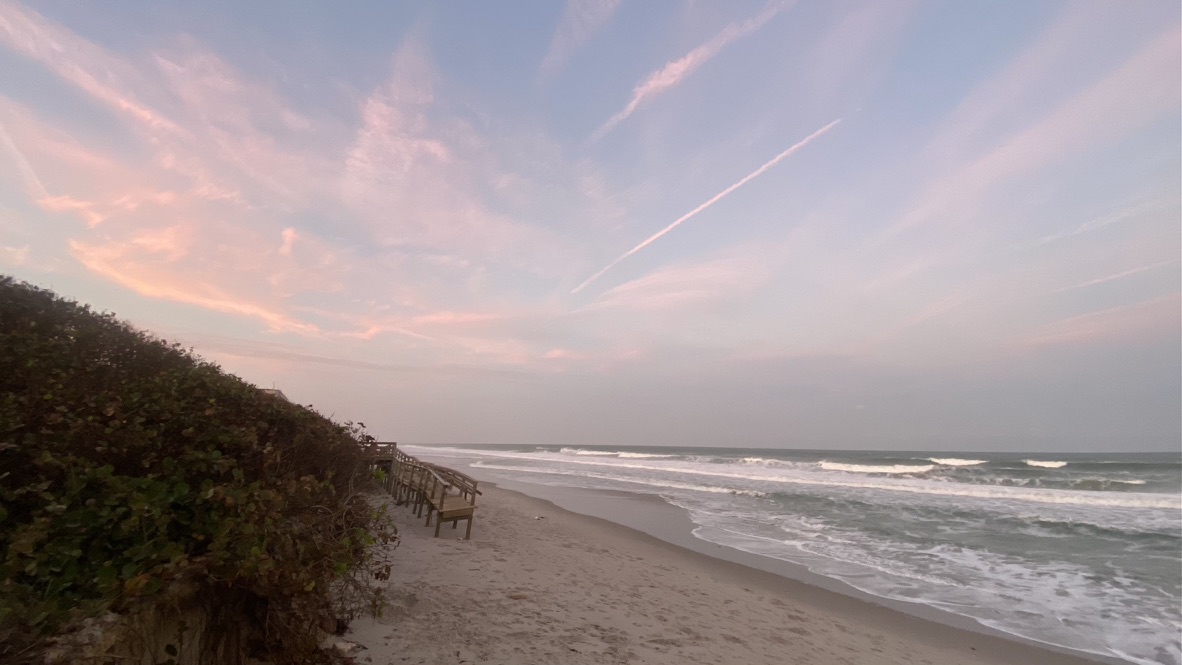
Start with the tide, then check the rest
A good Florida beach day starts before you leave the driveway. Check the current tide, the tide direction, and the next high or low tide first. Then look at rip currents, red tide, wind, storms, and beach flags.
You do not need to turn every beach trip into homework. A quick tide check is usually enough to make a better call.
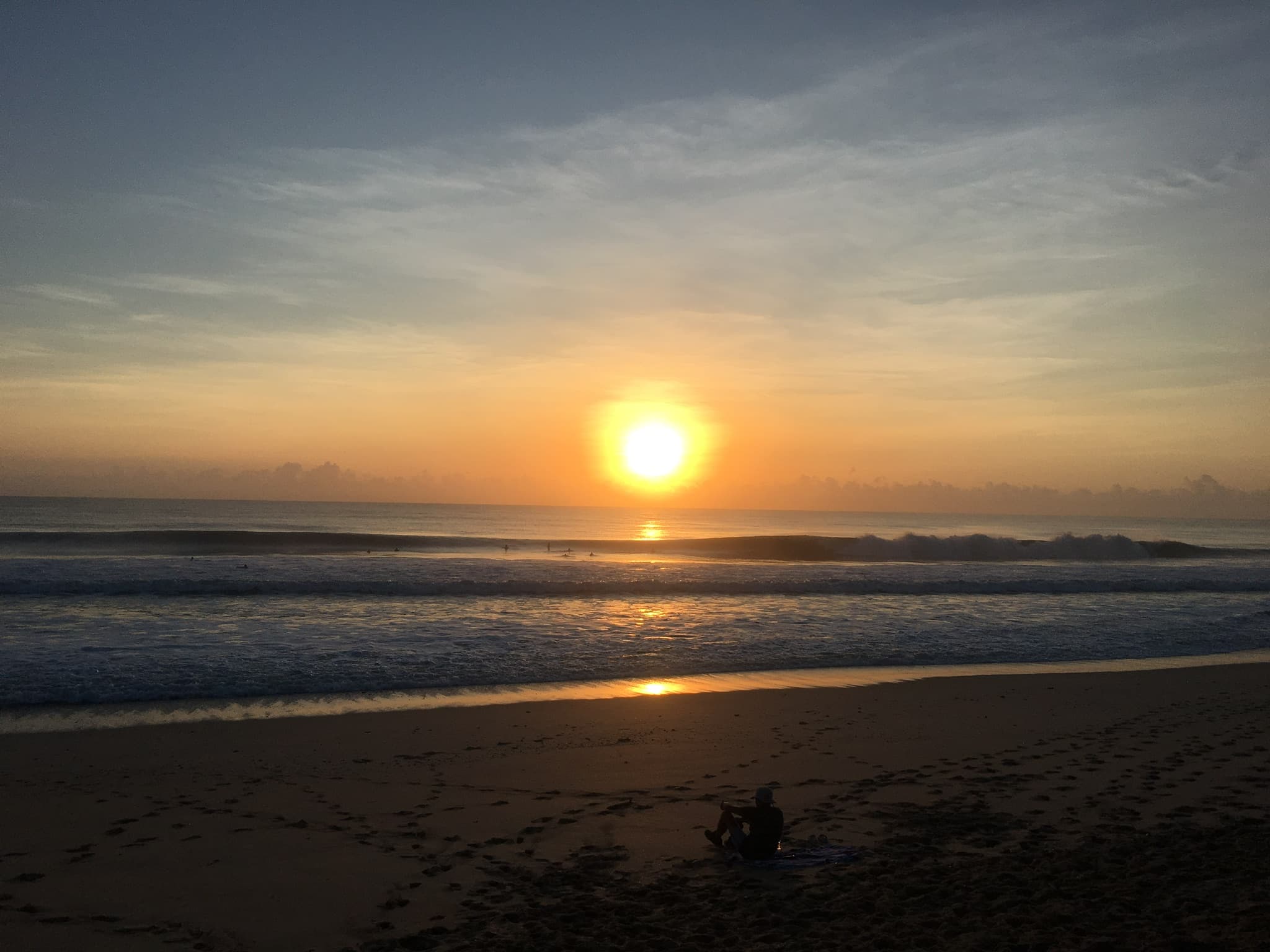
Why tide direction matters
A rising tide and a falling tide can make the same beach feel completely different. Incoming water shrinks the dry sand and changes how waves move through inlets, bars, and cuts. Outgoing water exposes more beach and changes how the shoreline drains.
If you surf, fish, shell, take photos, or just walk the beach, that movement is usually the part that changes the day.
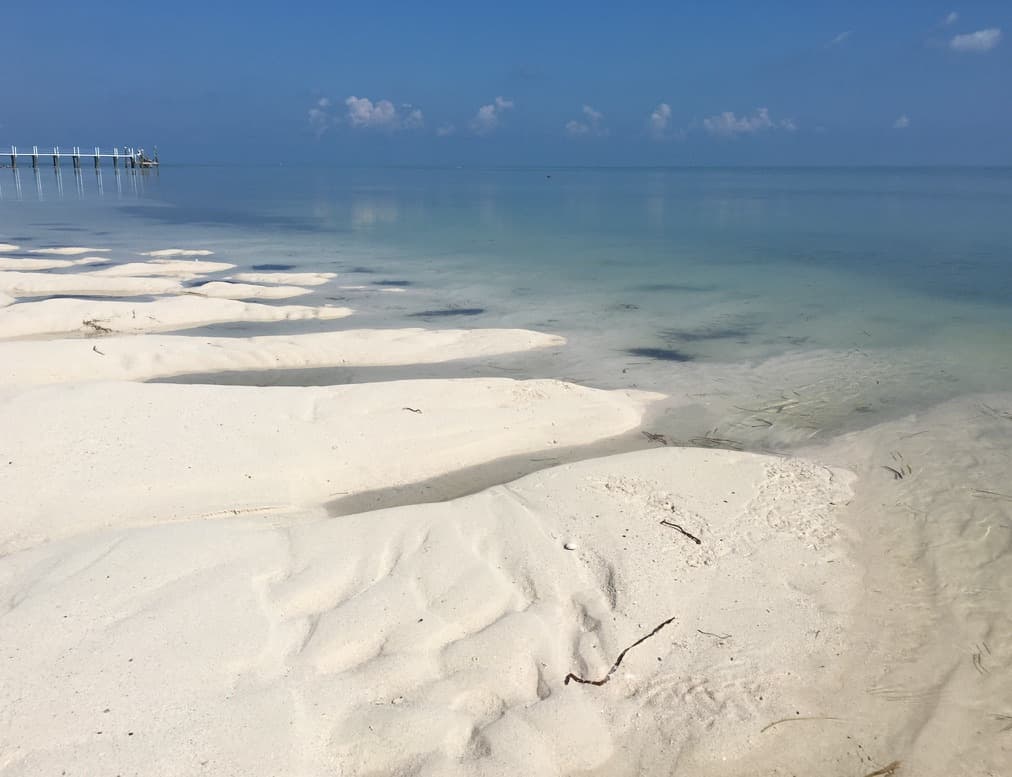
What to check before swimming
If swimming is the plan, check more than the tide. Rip currents can happen on calm-looking days, and beach flags or local lifeguard guidance matter as much as the forecast. If you are headed to a Gulf Coast beach, check red tide status too, because algae conditions are separate from the daily tide cycle.
Use Tide Buoy for tide timing. For rip currents and red tide, check the official sources before you go.
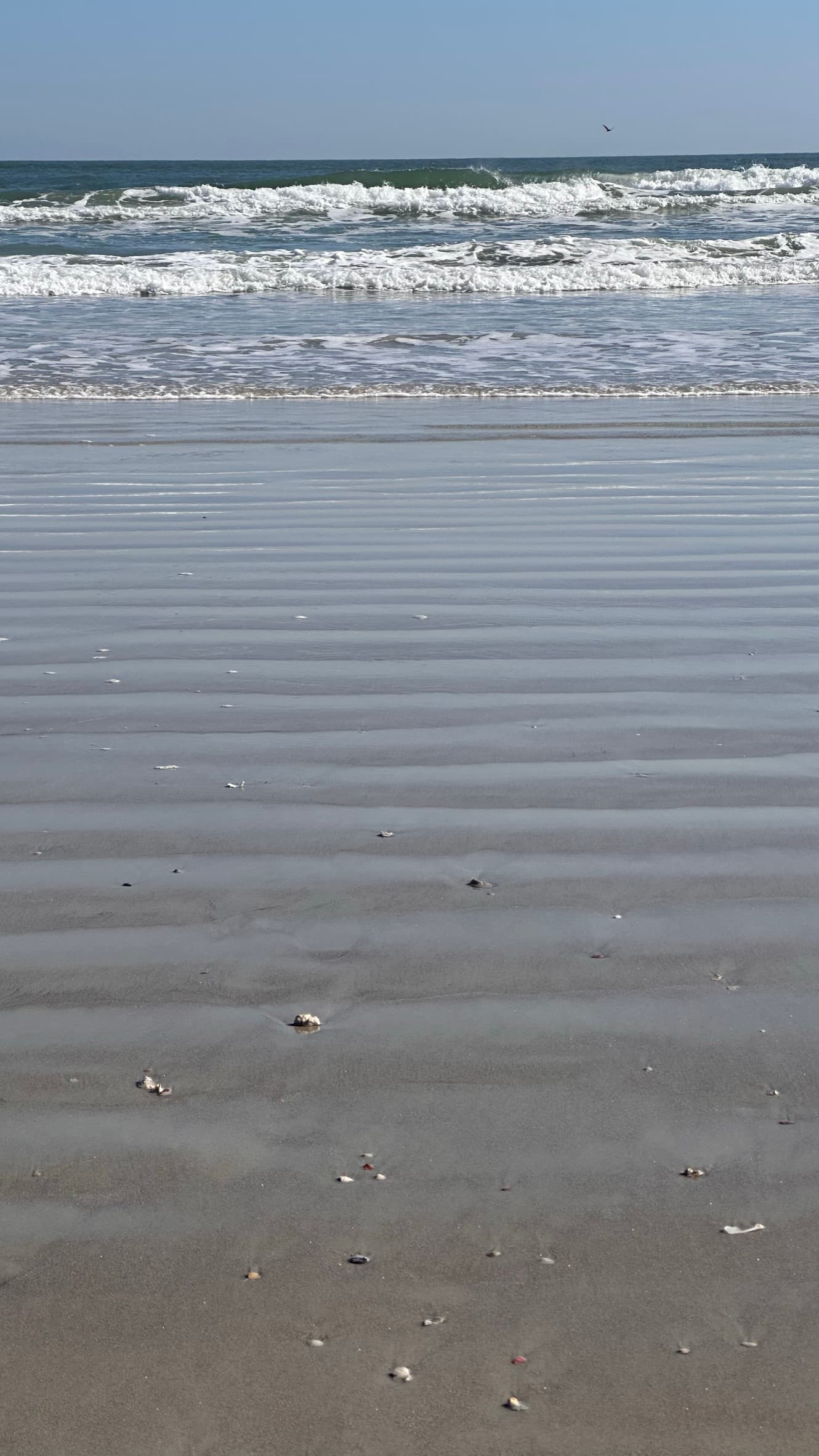
Match the tide to the kind of beach day you want
For shelling and beach walks, lower water often exposes more shoreline and texture. For surfing, the right tide depends on the spot. For fishing, moving water often matters more than a dead flat tide. For boating, ramps, sandbars, and shallow channels can change fast with water level.
A tide check helps you match the plan to the beach instead of forcing the beach to fit the plan.
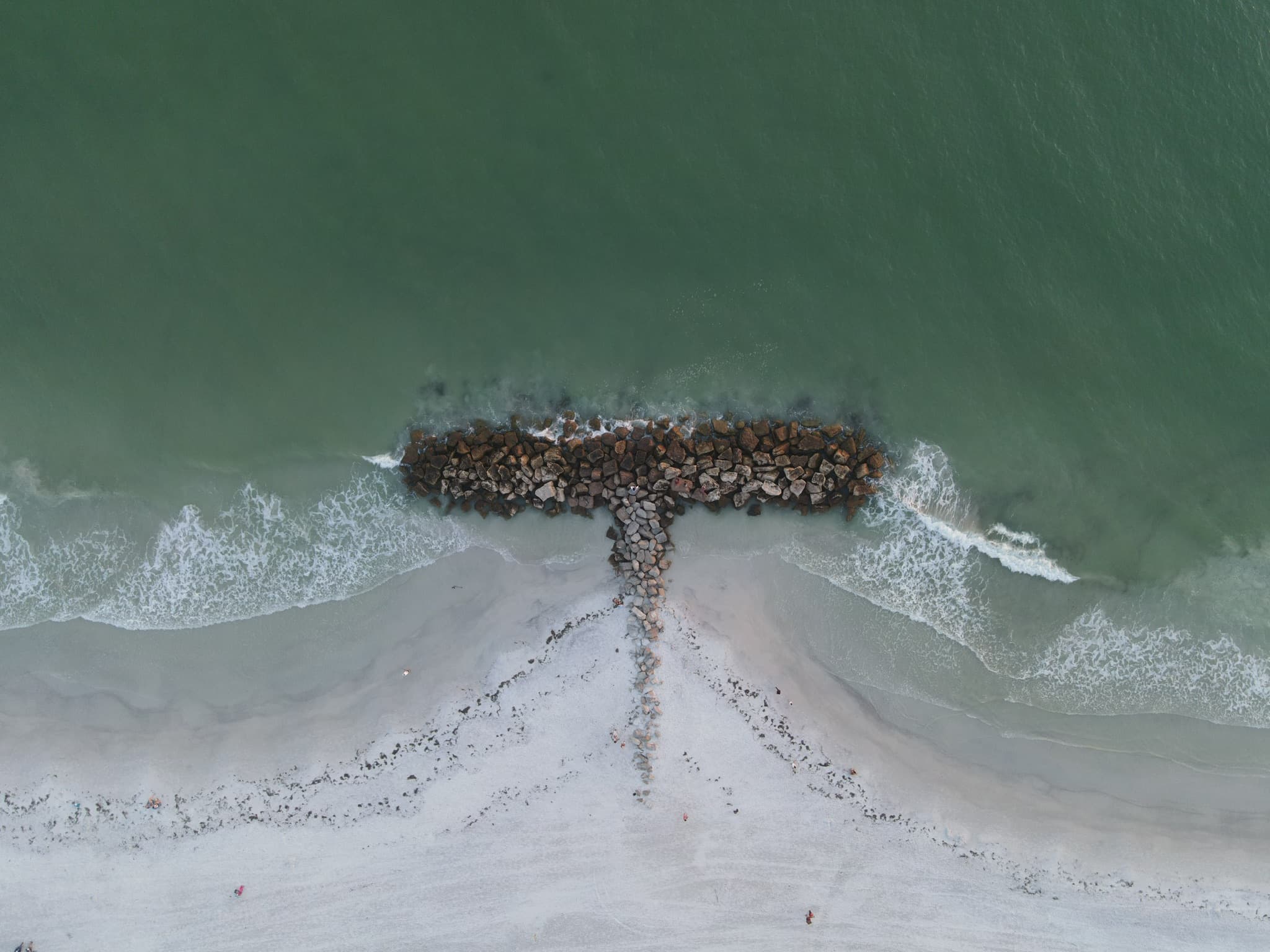
Florida beach day checklist
Before you head out, keep the final check short and practical.
- Current tide
- Incoming or outgoing tide direction
- Next high tide
- Next low tide
- Rip current forecast
- Beach flags and lifeguard guidance
- Red tide status on Gulf Coast days
- Wind, storms, and tropical weather
- The specific activity you want to do
If something looks off, adjust the plan
If the tide, wind, or safety forecast looks wrong, change the time, the spot, or the activity and keep the day simple.
Tide Buoy is built for that first step: understanding the water before you head out.
Live tide charts
Read here. Plan in the app.
Live tide charts are available in the Tide Buoy iOS app. Web tide charts are coming soon.