
Fishing guide
Best Tide App for Fishing
The best tide app for fishing should help you make a plain decision before you burn gas, ice down bait, or commit a morning to the wrong window. Tide Buoy is built around that kind of quick judgment, especially for anglers who care about moving water more than flashy extras.
Quick read
6 min read
For a lot of anglers, the question is not just what time high tide hits. It is when the water actually starts moving in a way their spot likes.
- Current tide and whether water is still or moving
- Incoming or outgoing direction for the structure you are fishing
- Next high or low tide so you can time the feed, launch, and ride home
- Saved spots for regular docks, flats, bridges, and inlets


Why tide matters so much in fishing
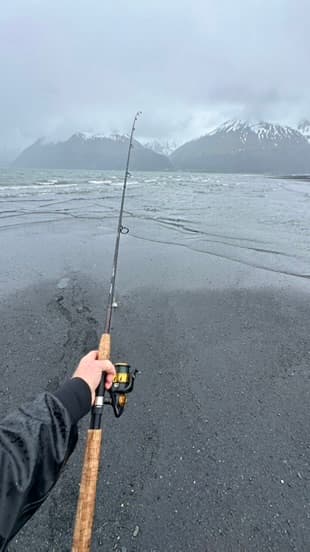
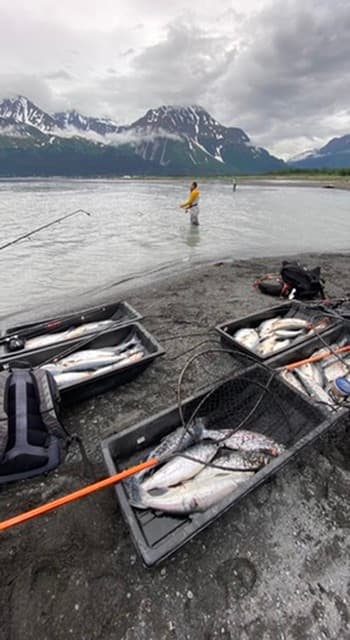
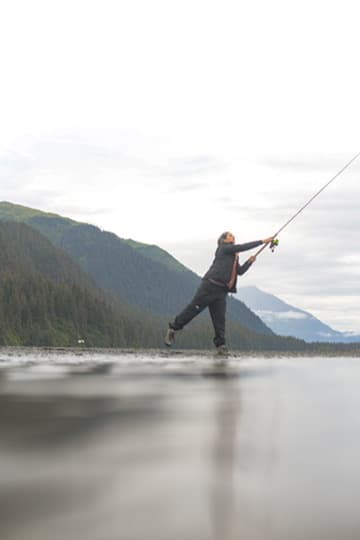
Fish respond to moving water. That movement positions bait, changes current seams, opens up shallow access, and can stack fish around bridges, mangroves, inlets, docks, and points.
When anglers talk about a window turning on, they are often talking about tide as much as weather. Even a short push or drain can change how a whole shoreline fishes.
What anglers need from the best tide app
Fishing apps can get busy fast. A tide app does not need to overwhelm the screen to be useful. It needs to show the direction of the water, the next meaningful shift, and the local timing that fits your spot.
That is where Tide Buoy helps. It keeps the current tide and next change visible, while still giving anglers access to fishing and lunar context when they want another layer.
- Local tide timing for the exact water you fish
- Clear incoming and outgoing tide direction
- Fast access to the next high or low tide
- A simple way to compare recurring fishing spots
Incoming vs outgoing tide for fishing
There is no single answer here either. An incoming tide can push cleaner water and bait onto flats or along shoreline cover. An outgoing tide can pull bait through cuts, drains, and current edges where predators wait.
The best tide for fishing is usually the stage that fits your structure, depth, and species. The common thread is movement. Dead slack water often tells anglers to wait, move, or change tactics.
Why Tide Buoy works for fishing days
The best tide app for fishing should let you glance at the app and know whether it is time to leave the house, stall until the water starts moving, or plan for a later push. Tide Buoy is designed for that kind of quick read.
It stays clean, which matters when you are trying to make a fast call in the dark with coffee in one hand and tackle in the other.
Before you go
Quick tides, exact location, less guesswork.
Tide Buoy is built to be an easy to use tide app for people who want quick tides in their exact location without digging through clutter.
Related features
Tools that support this use case
Feature
Live Fishing and Lunar Data
Use moon phase, tide movement, and fishing timing signals in one focused screen.
Feature
Accurate Tides in Your Location
Check a clean tide chart for the place you actually care about right now.
Feature
Save Different Spots
Keep your favorite beaches, towns, and tide-check locations ready to revisit fast.
Coastal Journal
Related reading
Fishing
Best Tide for Fishing
Fish often respond to moving water, and tide direction can shape feeding windows more than people realize.
Florida Keys
Key West Tide Guide for Lobster Season: Ramps, Reefs, and Return Trips
Regular Florida lobster season is open. Use this Key West tide guide to plan around ramps, reefs, shallow water, current, and the return trip.
More use cases
Keep planning around the water
Boating guide
Best Tide App for Boating
Boaters do not just check tide for curiosity. They check it because ramps, channels, sandbars, and the ride home can change fast.
Beach guide
Best Tide App for Beach Days
A calmer beach day usually starts before the car is packed, when you check whether the water is coming in, dropping out, or about to change the whole shoreline.